


-

Add: HeBei ShengShi HongBang Cellulose Technology CO.,LTD.
-

Email
13180486930@163.com -

CONTACT US
+86 13180486930
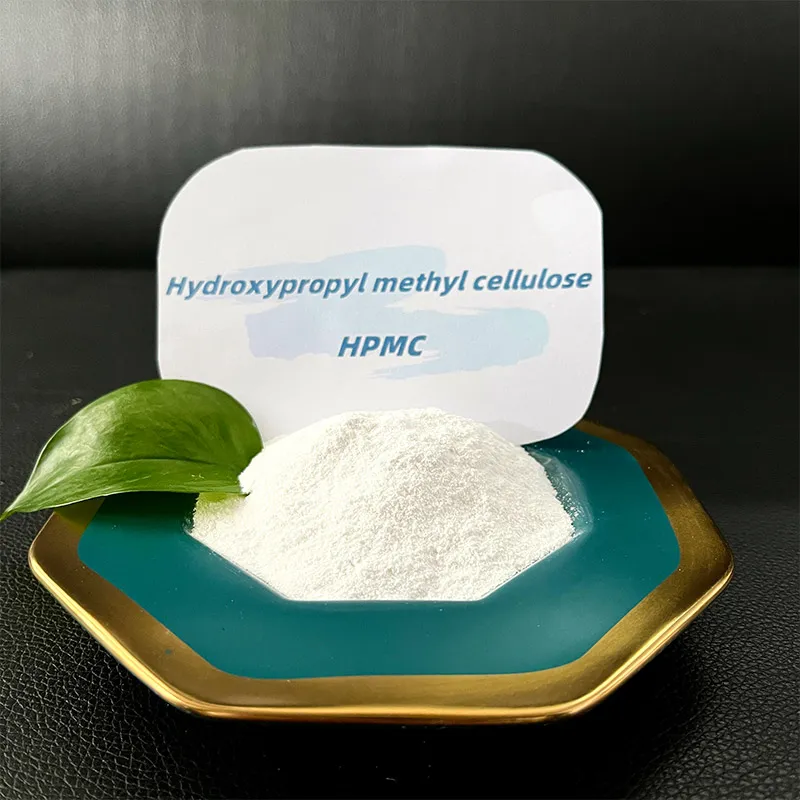


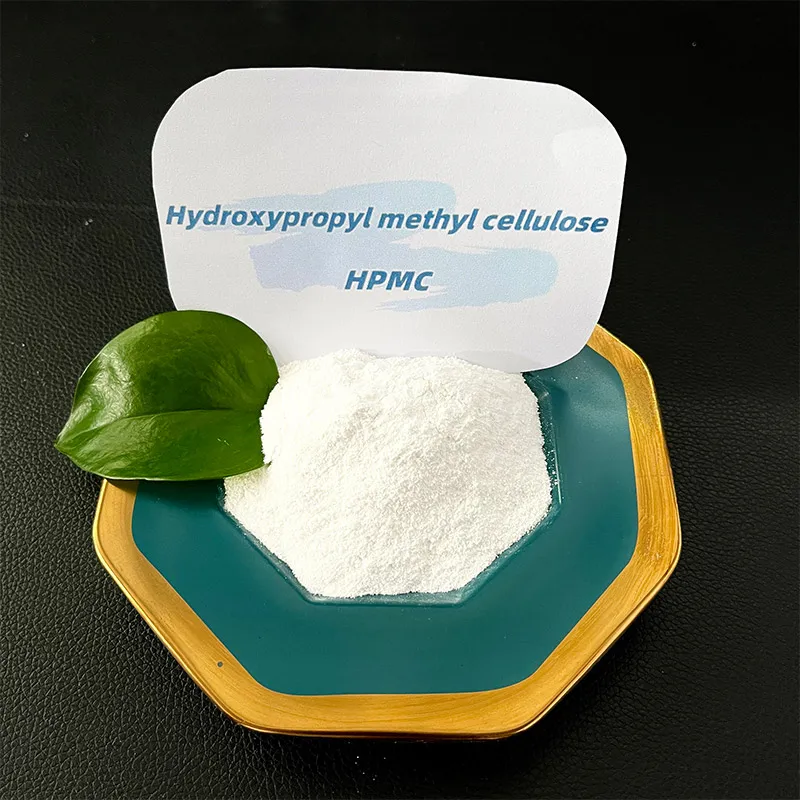
HPMC (Hydroxypropyl Methylcellulose) là một polymer bán tổng hợp, có khả năng hòa tan trong nước, được sử dụng rộng rãi trong nhiều ngành công nghiệp, bao gồm thực phẩm, dược phẩm, mỹ phẩm và vật liệu xây dựng. Với việc chú trọng vào các tiêu chí E-E-A-T (Experience, Expertise, Authoritativeness, Trustworthiness), bài viết này sẽ cung cấp cái nhìn sâu sắc về các cấp độ (grades) của HPMC và cách chúng có thể đáp ứng nhu cầu của các ngành công nghiệp khác nhau. Một trong những yếu tố quan trọng nhất khi lựa chọn HPMC là sự đa dạng của các cấp độ, mỗi cấp độ được thiết kế để đáp ứng các nhu cầu cụ thể. Các cấp độ của HPMC được phân loại dựa trên độ nhớt, mức độ polymer hóa và thành phần hóa học. Độ nhớt của HPMC có thể dao động từ rất thấp đến rất cao, tương ứng với khả năng tạo độ dày hoặc ổn định của sản phẩm cuối cùng. Khả năng điều chỉnh độ nhớt làm cho HPMC trở thành lựa chọn lý tưởng cho các ứng dụng như chất làm đặc, chất ổn định trong mỹ phẩm, hoặc tá dược trong ngành dược phẩm. Kinh nghiệm sử dụng HPMC trong các ngành công nghiệp cho thấy rằng sự lựa chọn cấp độ phù hợp là cần thiết để tối ưu hóa hiệu suất sản phẩm. Ví dụ, trong ngành dược phẩm, HPMC được đánh giá cao trong việc sản xuất thuốc viên giải phóng theo thời gian. Với các cấp độ có độ nhớt cao, HPMC có thể tạo ra một lớp màng bao bên ngoài viên thuốc, đảm bảo thuốc được phát hành từ từ qua thời gian, cải thiện hiệu quả điều trị và giảm tác dụng phụ. Về mỹ phẩm, HPMC giúp cải thiện độ ổn định và cảm giác trên da của sản phẩm . Các cấp độ HPMC thấp thường được sử dụng trong các sản phẩm dưỡng ẩm và serums để tạo kết cấu mượt mà và dễ thẩm thấu. Sự linh hoạt của HPMC trong việc hình thành các loại gel và dung dịch giúp tăng cường cảm giác mềm mịn khi bôi sản phẩm lên da, tạo ra trải nghiệm người dùng tích cực. HPMC như các cấp Trong xây dựng, HPMC được sử dụng như một phụ gia cải thiện khả năng chống nước và độ bền của vữa. Các cấp độ có độ nhớt cao là lựa chọn hàng đầu trong việc cải thiện những đặc tính này, vì chúng tạo ra một mạng lưới polymer mạnh mẽ, chống thấm và chịu lực tốt. Điều này không chỉ giúp kéo dài tuổi thọ của các công trình xây dựng mà còn giảm thiểu chi phí bảo trì. Sự uy tín và tính chuyên môn khi sử dụng HPMC trên toàn cầu được củng cố qua nhiều nghiên cứu và báo cáo kỹ thuật. Các nhà khoa học và chuyên gia công nghiệp đã tiến hành nhiều thí nghiệm và phân tích để xác nhận tính hiệu quả và an toàn của HPMC ở các cấp độ khác nhau. Sự tin tưởng vào HPMC đến từ việc nó được kiểm nghiệm qua thời gian, và được chấp thuận bởi nhiều cơ quan kiểm định chất lượng quốc tế. Tính đáng tin cậy của HPMC cũng được thể hiện qua khả năng tái tạo và an toàn với môi trường. Được sản xuất từ cellulose thực vật, HPMC không chỉ bền vững mà còn an toàn, không gây nguy hại cho con người và hệ sinh thái. Điều này tạo ra sự hấp dẫn cho các công ty quan tâm đến phát triển bền vững. Có thể thấy, sự thấu hiểu sâu sắc về các cấp độ khác nhau của HPMC và ứng dụng phù hợp không chỉ tăng cường hiệu suất sản phẩm mà còn tạo ra giá trị lâu dài cho cả doanh nghiệp và người tiêu dùng. Sự kết hợp giữa trải nghiệm thực tế và kiến thức chuyên sâu chính là yếu tố quan trọng đưa HPMC trở thành lựa chọn hàng đầu trong nhiều ngành công nghiệp.
- 40000tons

Production
- 20+years

Experience
- 5000+㎡

Acreage

-

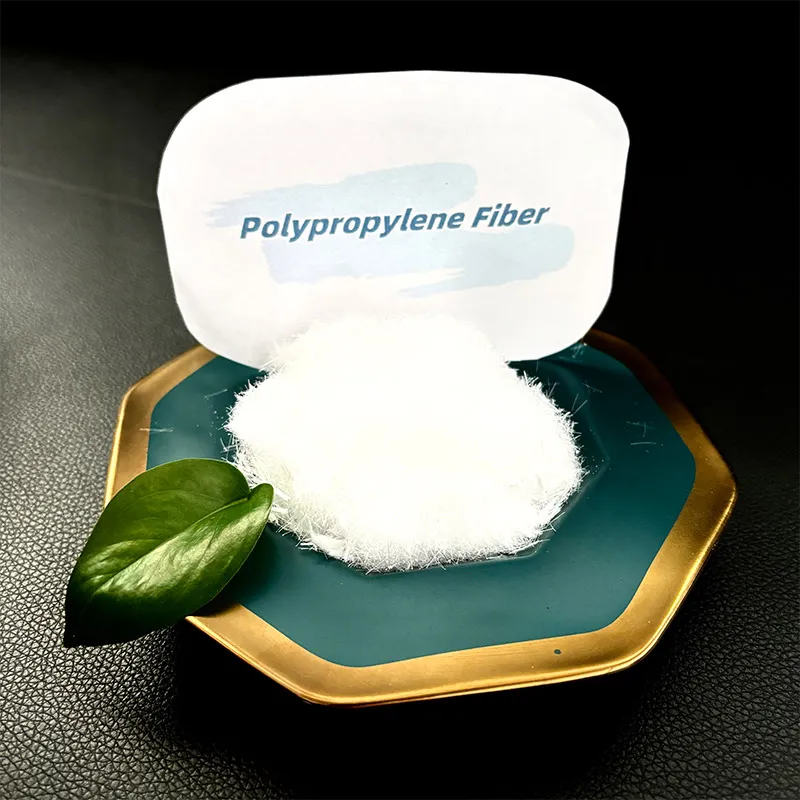
The Use of Polypropylene Fibre in Concrete Enhancing Durability and Performance Concrete is one of the most widely used construction materials in the world, renowned for its strength and durability. However, traditional concrete has inherent limitations, such as brittleness and susceptibility to cracking. To address these weaknesses, engineers and researchers have explored various methods of enhancing concrete's performance, one of which is the incorporation of polypropylene fibres. This article delves into the benefits of polypropylene fibre concrete, its applications, and its role in modern construction practices. Understanding Polypropylene Fibres Polypropylene is a thermoplastic polymer often used in a variety of applications, including packaging, textiles, and automotive components. When used as a reinforcement material in concrete, polypropylene fibres help improve the material's overall properties. These fibres are typically available in lengths ranging from 6 mm to 19 mm, depending on the specific application. Their lightweight and durable nature contribute significantly to enhancing the performance of concrete. Benefits of Polypropylene Fibre Concrete 1. Crack Control One of the most significant advantages of incorporating polypropylene fibres into concrete is their ability to control cracking. Traditional concrete can develop micro-cracks due to shrinkage, thermal changes, and stress loads. Polypropylene fibres help to inhibit the growth of these cracks by redistributing stresses within the concrete matrix. This results in improved crack resistance, particularly in thin slabs and surfaces exposed to environmental conditions. 2. Improved Impact Resistance Polypropylene fibre-reinforced concrete exhibits enhanced impact resistance compared to conventional concrete. The presence of fibres helps to absorb and dissipate energy, making the material less prone to failure under sudden loads. This property is particularly valuable in applications where high-impact forces are expected, such as in industrial flooring and pavement. 3. Increased Durability The addition of polypropylene fibres can significantly improve the durability of concrete. The fibres reduce the permeability of the concrete, thereby limiting the ingress of harmful chemicals, water, and chloride ions that can lead to corrosion of reinforcement bars. This characteristic is vital for structures exposed to harsh environmental conditions, such as marine environments or areas with high road salt usage. polypropylene fibre concrete 4. Enhanced Flexural Strength Polypropylene fibres contribute to improved flexural strength of concrete. Their presence allows for better load distribution, reducing the likelihood of bending and deformation under stress. This enhanced strength can be particularly crucial in applications such as bridges and parking structures, where load-bearing capacity is essential. 5. Reduction in Construction Costs By improving concrete’s durability and longevity, the use of polypropylene fibres often leads to reduced maintenance and repair costs over time. Furthermore, the ability to use thinner slabs without compromising performance can expedite construction processes and reduce material costs . Applications of Polypropylene Fibre Concrete The versatility of polypropylene fibre concrete makes it suitable for a multitude of applications. Its properties are particularly beneficial in - Industrial Flooring High-impact and heavy-load industrial environments benefit immensely from the use of polypropylene fibre-reinforced concrete. - Pavement and Roads The enhanced crack resistance and durability provided by polypropylene fibres help extend the lifespan of pavements and roads, thus improving safety and reducing repair frequencies. - Precast Concrete Products The use of fibres in precast products allows for thinner and lighter components without sacrificing performance, making transportation and installation easier. - Shotcrete Applications In tunneling and mining, polypropylene fibres are commonly used in shotcrete to improve stability and reduce rebound. Conclusion The integration of polypropylene fibres into concrete represents a significant advancement in construction technology. The ability to enhance fundamental properties such as crack resistance, impact strength, and durability makes polypropylene fibre concrete an attractive option for modern construction projects. As the industry continues to evolve, the adoption of such innovative solutions will likely become even more common, yielding structures that are not only stronger but also more sustainable in the long run.
-
El Hormigón Armado con Polifibras Innovación y Ventajas en la Construcción Moderna El hormigón armado ha revolucionado el sector de la construcción desde su introducción, proporcionando estructuras más resistentes y duraderas. Sin embargo, con el tiempo, la búsqueda de materiales que potencien aún más las características del hormigón ha llevado al desarrollo del hormigón armado con polifibras. Este innovador enfoque combina las propiedades del hormigón con la añadidura de fibras, lo que se traduce en múltiples ventajas para diferentes aplicaciones en la construcción. Las polifibras, que pueden ser de diferentes materiales como polipropileno, acero o vidrio, son elementos que se incorporan al hormigón en forma de filamentos finos. Su inclusión en la mezcla no sólo mejora el comportamiento mecánico del material, sino que además aporta beneficios significativos en términos de durabilidad y resistencia a la fatiga. Esto es especialmente relevante en estructuras sometidas a condiciones extremas, tales como las que se encuentran en regiones sísmicamente activas o en ambientes industriales agresivos. El Hormigón Armado con Polifibras Innovación y Ventajas en la Construcción Moderna Además de su resistencia a las fisuras, el hormigón con polifibras presenta una mejora notable en su durabilidad. Las fibras actúan como un refuerzo adicional, permitiendo que el hormigón se adapte mejor a los cambios ambientales. Por ejemplo, en entornos donde el hormigón puede estar expuesto a ciclos de congelación y descongelación, la adición de polifibras puede prevenir el daño estructural que comúnmente resulta de estos ciclos. Esto se traduce en una vida útil más larga para las estructuras construidas con este material, lo que es un factor decisivo en proyectos de gran envergadura y costo elevado. béton armé de polyfibres El uso de hormigón armado con polifibras también se asocia con una mayor eficiencia en el proceso constructivo. Al reducir la necesidad de control constante de fisuras y garantizar una mejor cohesión del material, los tiempos de construcción pueden disminuir. Esto no solo favorece la planificación de proyectos, sino que también reduce los costos operativos, permitiendo un uso más eficiente de los recursos. Otro aspecto a considerar es el impacto ambiental del uso de hormigón armado con polifibras. A medida que las industrias buscan opciones más sostenibles, la utilización de fibras recicladas en la producción del hormigón ofrece una alternativa ecológica. Este tipo de hormigón no solo optimiza el rendimiento de las estructuras, sino que también contribuye a la reducción de residuos, alineándose con los objetivos de desarrollo sostenible. En la práctica, el hormigón armado con polifibras se ha utilizado en una variedad de aplicaciones, desde pavimentos y elementos prefabricados hasta estructuras más complejas como puentes y edificios de gran altura. Su versatilidad y superioridad técnica en comparación con el hormigón tradicional lo han posicionado como una opción preferente en proyectos innovadores. En conclusión, el hormigón armado con polifibras representa un avance significativo en la construcción moderna. Al combinar robustez, durabilidad y eficiencia, este material no solo responde a las exigencias contemporáneas del sector, sino que también plantea un futuro más sostenible para la infraestructura. La adopción de estas tecnologías en diferentes obras es, sin duda, una inversión en la calidad y longevidad de las construcciones, un factor esencial en la planificación urbana y el desarrollo de comunidades más resistentes y eficientes.
advantages
-

200000 Viscosities
Excellent product
We can produce pure products up to 200,000 viscosities
-

40000 tons
High yield
We don’t stop production all year round, and the annual output can reach 40,000 tons
-

24 hours
Quality service
We provide 24-hours online reception service, welcome to consult at any time
———— Inquiry Form
Schedule A services

-
 serat_polipropilen_untuk_beton
Oct . 25, 2025
Hydroxypropyl methylcellulose (HPMC) is a versatile polymer widely used in the pharmaceutical, food, -
 bubuk_vae
Oct . 25, 2025
Hydroxypropyl methylcellulose (HPMC) is a versatile polymer extensively used across various industri - starch_eter_para_sa_pagtatayo
Oct . 25, 2025
Raw Materials for Synthetic Fibers An Overview Synthetic fibers have become an integral part of our


